Tigray Humanitarian Update: November 2026
Since fighting resumed in Tigray in late September 2026, families across the region have again been facing disruption to health care, food supplies and safe shelter. This update brings together what humanitarian agencies and reporters have published in recent weeks, so that our supporters can understand the situation our community is living through.
Health care under strain
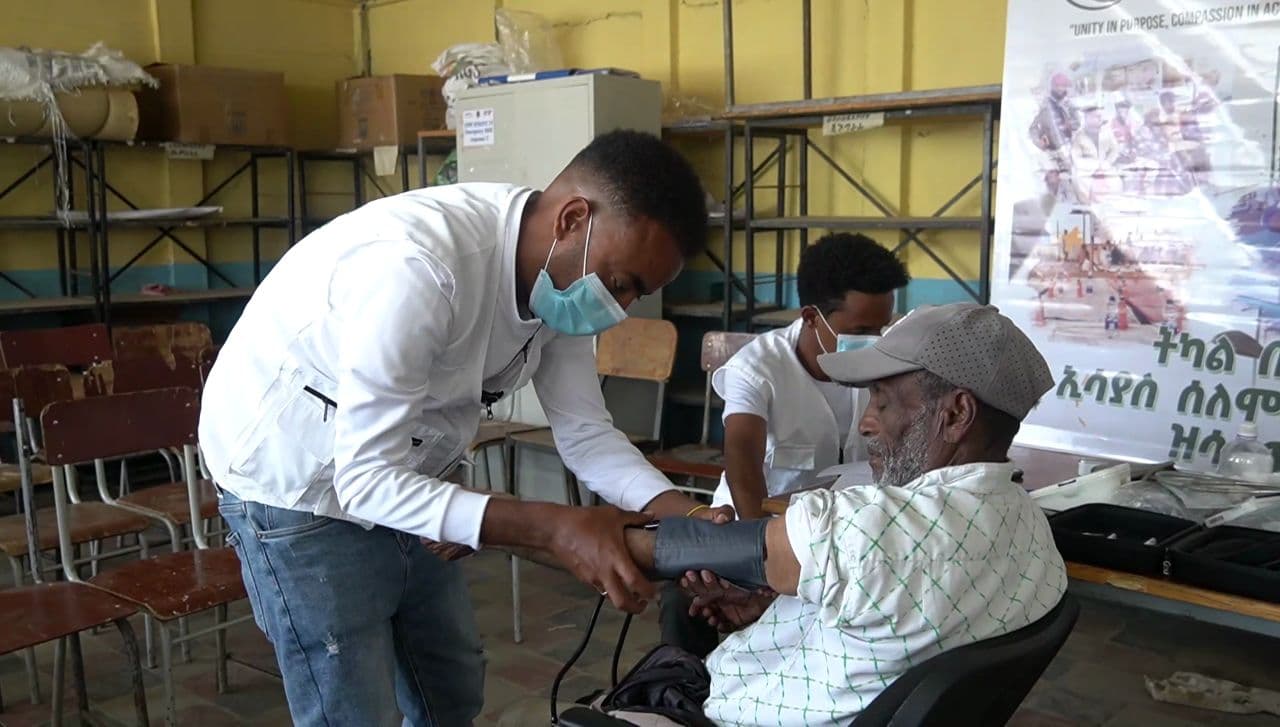
Hospitals in Mekelle were overwhelmed in the first days of the renewed fighting, and health workers describe shortages of medicines and supplies after months of strain (NPR, 10 November 2026). By mid-October, the UN Office for the Coordination of Humanitarian Affairs (OCHA) reported that key medical facilities in Mekelle and Shire were functioning again, and that the World Health Organization had dispatched more than 71 metric tons of medical supplies and health kits to Afar, Amhara and Tigray (The Reporter, citing OCHA).
Aid is moving, but access remains difficult
OCHA reported that a large inter-agency convoy carrying medicines, nutrition supplies and child-protection items reached conflict-affected areas of northern Ethiopia on 14 October. On the same day, the UN Emergency Relief Coordinator released US$8.5 million from the Central Emergency Response Fund to support shelter, health, food and protection for people affected by the fighting (OCHA; Capital Ethiopia). OCHA also notes that fighting, shelling, looting and disrupted health services remain concerns in parts of Afar, Amhara and Tigray.
Drought deepens food insecurity
The conflict comes on top of a severe drought. The Famine Early Warning Systems Network (FEWS NET) described this year's June–September rains as among the poorest on record (allAfrica, September 2026), and southern Tigray is already facing Crisis-level (IPC Phase 3) food insecurity. FEWS NET's latest outlook warns that drought and conflict together could push parts of Tigray, Amhara and Afar into Emergency (IPC Phase 4) conditions in early 2027 (allAfrica, 12 November 2026).
Displaced families wait to go home
Many families displaced by the 2020–2022 war were still living in camps and host communities when fighting returned. Reporting from the region describes displaced families who now fear that their hopes of going home are fading (Al Jazeera, 11 November 2026).
What this means for our community
For the people BilalAid serves, these pressures come together in daily life: clinics short of medicine, rising food needs as harvests fail, and families who have been displaced for years. Our programmes in emergency relief, healthcare access and support for displaced families exist for moments like this.
How you can help
- Give through a local bank transfer on our donation page.
- Share accurate, reliable information about the humanitarian situation in Tigray.
- Contact us if you would like to volunteer or partner with BilalAid.
A note on sources
The situation in Tigray is changing quickly, and reports from different sources do not always agree. Figures in this update come from the UN and the publications linked above, as published on the dates shown. We will share further updates as the situation develops.